There are festivals you attend for the bands, festivals you return to for the atmosphere, and a rare few that make you fall in love with the entire experience. Høstsabbat is firmly in the third category. Returning for my second edition, I found myself once again drawn into the peculiar magic of this Oslo underground institution, where heavy music, unconventional spaces and a wonderfully welcoming community come together to create something that feels far more personal than your average festival weekend.
Høstsabbat 2026: A Cathedral of Riffs, Doom and Underground Magic
Taking place at Kulturkirken Jakob, in the heart of Oslo, Høstsabbat has one of the most distinctive settings imaginable for a heavy music festival. Housed inside a former church, the venue offers a remarkable combination of monumental architecture, towering ceilings and an almost sacred atmosphere. There is something extraordinary about hearing crushing riffs and thunderous drums reverberate through a space originally designed for worship. The building's history and grandeur create a natural connection with the darker, more ritualistic side of underground music, making the performances feel larger than life.
The festival unfolds across different spaces, each offering its own character. The Chapel, with its impressive scale, provides an unforgettable setting for live performances, while The Crypt delivers a more intimate, underground atmosphere. This year, Kafé Hærverk also joined the festival's stage configuration, adding another dimension to the experience just a short walk away. Moving between these spaces gives Høstsabbat a dynamic rhythm, allowing the audience to discover different sounds and atmospheres throughout the weekend. The venue is not simply a backdrop for the music; it is an essential part of the festival's identity.

More than music: art, atmosphere and creativity
Høstsabbat's identity extends far beyond the bands on the bill. Its artistic dimension deserves recognition in its own right, contributing to the feeling that the festival is a meeting point for different forms of underground creativity rather than simply a sequence of concerts.
There is something particularly fitting about experiencing visual art and exhibitions within a former church. The architecture itself feels like an artwork, with its monumental proportions, intricate details and unmistakable sense of history. Against this backdrop, the festival's artistic elements invite visitors to look beyond the stage and engage with the creative worlds surrounding the music.
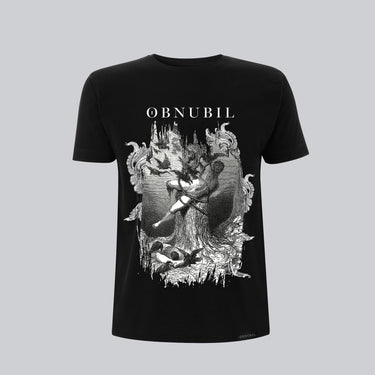
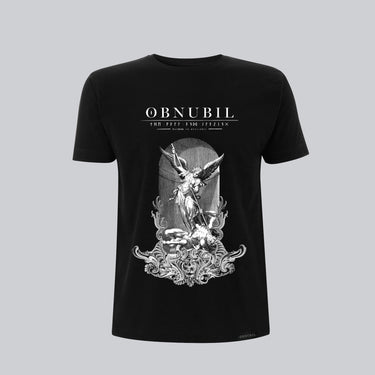
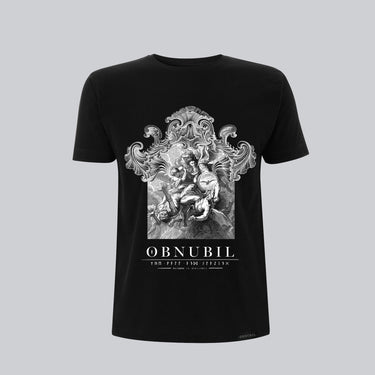
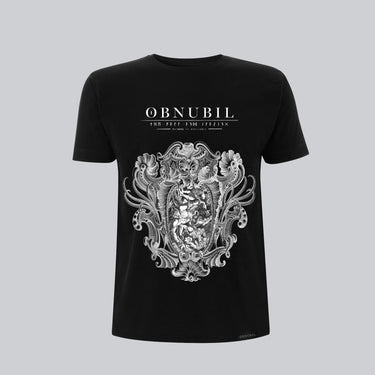
The visual identity is another important part of the experience. From the striking festival poster artwork by Hypnotist Design to the imagery associated with its merchandise, Høstsabbat embraces an aesthetic that complements the music without feeling like an afterthought. The darker, imaginative visual language reinforces the festival's character and helps create a coherent atmosphere throughout the weekend.
Heavy music has always maintained a close relationship with visual expression, whether through album artwork, photography, illustration or more experimental artistic practices. When music and visual creativity occupy the same space, they can deepen one another, creating an experience that stays with the audience long after the last notes fade. At Høstsabbat, this broader artistic spirit feels entirely at home.
A lineup built for exploration
One of Høstsabbat's greatest strengths is its refusal to remain confined to a single definition of heavy music. Doom, stoner rock, sludge, psychedelic explorations, black metal, hardcore, post-metal and more experimental sounds coexist across the programme, making the weekend feel like a journey through the underground rather than a simple succession of concerts.
The 2026 edition brought together 24 bands from Norway and abroad, balancing internationally recognised names with artists representing the more adventurous edges of the underground. It was a programme that celebrated both the crushing weight of traditional doom and the unpredictable possibilities of contemporary heavy music.
The Vintage Caravan: The Icelandic trio brought the spirit of classic hard rock and psychedelic exploration to a festival steeped in darker, heavier sounds. Their blend of vintage influences, expressive guitar work and infectious rock'n'roll represented the more vibrant, free-flowing side of the programme. Their presence also demonstrated how naturally Høstsabbat accommodates music that prioritises groove and melody without sacrificing its heavier foundations.
Monolord: The Swedish masters of slow-burning heaviness were a natural fit for the festival's monumental surroundings. Their enormous riffs, thick fuzz and deliberate, rumbling rhythms embody everything that makes doom metal so compelling: music that does not need to rush anywhere to leave a lasting impression. Their place on the bill reinforced the festival's devotion to hypnotic heaviness and the physical power of a great riff.
Cult of Fire: My personal favorite this year. Bringing a ritualistic and theatrical dimension to the bill, the Czech black-metal outfit represented one of the programme's darker corners. Known for combining atmospheric black metal with imagery and influences drawn from Eastern spirituality, the band offers an experience that reaches beyond sheer aggression. Their inclusion highlighted Høstsabbat's willingness to embrace extreme music as an artistic and immersive experience.
Hippie Death Cult: The Portland trio represented the fuzzier, groove-driven side of the programme. Rooted in heavy psychedelic rock, their sound combines muscular riffs, dynamic vocals and classic doom influences. They fit perfectly into a festival that celebrates the evolution of heavy rock while retaining its essential underground spirit.
Khemmis: The Denver outfit brought its distinctive combination of doom metal, traditional heavy-metal grandeur and melodic songwriting to the programme. Their music balances crushing guitar tones with soaring melodies and an epic sensibility, illustrating how heaviness can be both devastating and emotionally expansive. They represented another compelling dimension of a festival that consistently makes room for different interpretations of doom.
Domkraft: Sweden's Domkraft brought another dose of hypnotic, fuzz-drenched heaviness to the lineup. Their blend of psychedelic repetition, massive riffs and sludge-inflected doom captures the trance-like qualities of the genre, allowing riffs to stretch and evolve until they become almost meditative. They represented the kind of immersive heaviness that feels particularly appropriate beneath the towering ceilings of Kulturkirken Jakob.
Deathchant: The Los Angeles band brought a rawer, more hard-hitting edge to the festival's heavy-rock spectrum. Their mix of heavy metal, psychedelic influences and muscular rock'n'roll added a welcome dose of grit to a programme full of contrasting textures and moods.
Ruff Majik: Representing South Africa, Ruff Majik brought the dirty grooves and fuzz-heavy attitude of stoner rock to Oslo. Their sound draws on the genre's classic foundations while embracing a rough-edged, contemporary personality, adding another international voice to a lineup that refuses to treat underground music as the property of any one country.
Cult Member: One of the more unusual entries on the bill, the Norwegian project was scheduled to perform a live soundtrack to the legendary silent horror film Häxan. This meeting of experimental music and early cinema perfectly captures Høstsabbat's more adventurous side, offering a different kind of darkness from the conventional concert experience.
Cult of Occult: The French sludge-metal outfit represented the bleakest and most punishing end of the spectrum. Their uncompromising approach to heaviness fits a festival that is unafraid to explore the abrasive, oppressive and uncomfortable dimensions of extreme music.
Rosa Faenskap: The Norwegian band added an intense and confrontational black-metal presence to the programme. Their place on the bill reflected the continued vitality of Norway's extreme-music underground and the festival's commitment to giving homegrown artists a platform alongside international acts.
Old Horn Tooth: Hailing from the UK, Old Horn Tooth brought another shade of stoner metal and doom to the weekend. Their heavy, riff-centred approach belongs to the tradition that makes underground festivals like this so satisfying: music built around atmosphere, weight and the enduring appeal of a powerful guitar sound.
Earthbong: The German band represented the slow, crushing end of doom metal. Their name alone suggests the kind of low-end worship that sits comfortably within Høstsabbat's musical universe, where massive guitar tones and unhurried rhythms become an experience in their own right.
Embla: The Danish act contributed a post-hardcore perspective to the festival's varied musical landscape. Their presence helped broaden the programme beyond traditional doom and stoner sounds, reinforcing the idea that underground music thrives when different scenes and approaches are allowed to intersect.
Reaping Flesh: Hailing from Bodø in northern Norway, Reaping Flesh brought another extreme-metal dimension to Høstsabbat 2026. Their uncompromising sound combines black metal, death metal and thrash with elements of hardcore and post-metal, resulting in a fast, aggressive and confrontational approach to heaviness. Their inclusion highlighted the diversity of Norway's underground scene and the festival's willingness to embrace the harsher, more abrasive corners of heavy music.
The Ape: The Norwegian post-punk act offered a different kind of intensity from the bands built around slow, crushing riffs. Post-punk's tension, angularity and darker sensibilities made it a fitting counterpoint to the festival's heavier sounds, proving that atmosphere can be just as powerful as sheer volume.
Voidspire: Voidspire represented the atmospheric death-metal side of the bill, bringing another extreme to a weekend already rich in contrasting sounds. Their presence expanded the festival's darker territory beyond black metal and sludge, demonstrating the breadth of the contemporary underground.
Henchlock: With their psychedelic-rock leanings, Henchlock added another exploratory voice to the programme. Their inclusion reflected Høstsabbat's appreciation for music that takes its time, embraces unconventional structures and values atmosphere as much as immediate impact.
The wider lineup also featured Bogwife, Bong Voyage, Feral Nature, Sex Magick Wizards, Gloombound and Dune Sea, each contributing to the festival's eclectic mix of sounds. Feral Nature brought a more contemporary metalcore edge, while Danish duo Bogwife explored psychedelic stoner doom. Norwegian outfit Bong Voyage represented the riff-heavy, hedonistic side of hard rock, and Sex Magick Wizards offered a more experimental jazz-rock approach. Gloombound brought darker doom-metal textures, while Dune Sea added a psychedelic-rock dimension to the programme. Together with the other artists, these bands helped make Høstsabbat 2026 a celebration of underground music in all its different forms.
Rather than relying on a single sound or a succession of predictable names, the festival brought together contrasting approaches to heaviness, darkness and experimentation. That diversity is one of its greatest assets: there is always something unexpected around the corner, and always another reason to step into a different room and discover something new.
The people behind the festival
A festival's atmosphere is shaped by much more than its location or its line-up. It comes from the people who organise it, the artists who perform and the audience that fills the rooms. Høstsabbat succeeds because these elements come together naturally, creating a welcoming environment without losing the intensity and underground spirit that make it distinctive.
A special mention must go to Preben and Elisabeth, whose work and dedication help make Høstsabbat such a memorable experience. Festivals of this character require enormous amounts of effort, care and passion, much of it happening away from the stage and outside the audience's view. That commitment is reflected in the details, the programming and the atmosphere that visitors experience throughout the weekend.
The crowd deserves recognition, too. There is a particular kind of connection among people who gather around heavy and experimental music: a shared appreciation for sounds that can be challenging, unconventional, overwhelming or simply impossible to experience in quite the same way anywhere else. At Høstsabbat, that connection feels genuine. The atmosphere is intense when the music demands it, relaxed between performances and welcoming throughout.
Despite the heaviness coming from the stages, the festival never feels defined by aggression alone. There is warmth in the way people share the space, enthusiasm in conversations about the bands and a sense that everyone is there because they genuinely care about the music and the community around it.
A festival worth returning to
Attending Høstsabbat for the second time has only strengthened my appreciation for what it offers. The combination of an extraordinary venue, adventurous programming, artistic creativity and a welcoming crowd makes it stand apart from the many festivals competing for attention.
Kulturkirken Jakob provides a setting that is difficult to replicate, while the different stages give the weekend its own distinctive rhythm. The music encourages exploration, the visual identity adds depth, and the people behind the event ensure that the experience feels personal rather than impersonal or purely commercial.
Ultimately, Høstsabbat is about more than loud guitars, heavy drums and distorted sound. It is about creating a space where underground music can thrive, where artists and audiences meet on common ground, and where the surroundings become part of the performance itself. It is a celebration of a scene built on passion, curiosity and a willingness to explore beyond the obvious.
After two editions, I can say that Høstsabbat has become the kind of festival that stays with you. Its setting is unforgettable, its atmosphere is special, and its commitment to the underground makes it an experience worth seeking out.
A huge thank you to Preben and Elisabeth, the artists, the crew and everyone who contributed to making Høstsabbat 2026 such a memorable weekend. It was a pleasure to return, and I hope to be back for another edition of this remarkable celebration of heavy music, art and community.